Stroke is one of the most time-sensitive medical emergencies, and rapid recognition and intervention can mean the difference between full recovery and long-term disability. The ACLS Stroke Algorithm, as outlined by the American Heart Association, provides healthcare providers with a structured, evidence-based approach to efficiently identify and manage stroke patients. Understanding this algorithm is essential for anyone involved in advanced cardiovascular life support, from paramedics to emergency department teams, as it ensures that every critical step is executed quickly and correctly.
Recognizing a Possible Stroke
Early Warning Signs
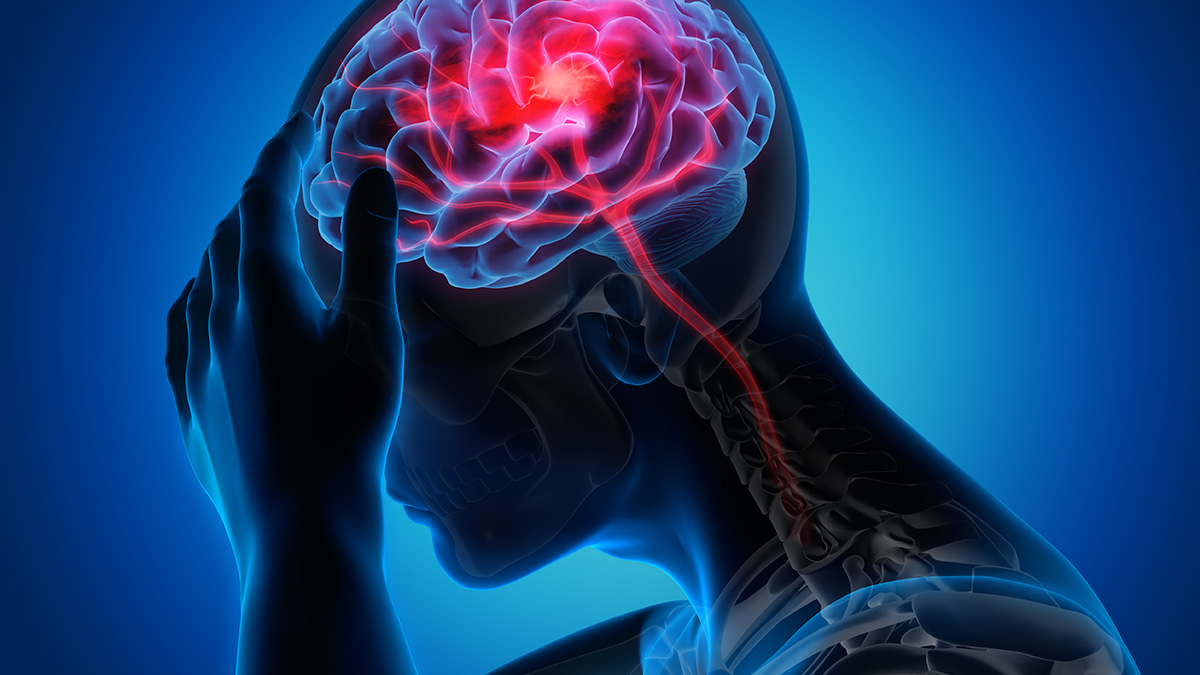
Recognizing a stroke early is the first and most crucial part of the ACLS Stroke Algorithm. Early warning signs often include sudden weakness or numbness on one side of the body, facial drooping, difficulty speaking or understanding speech, and sudden vision changes. The FAST assessment is a quick, reliable tool for identifying stroke symptoms: Face drooping, Arm weakness, Speech difficulties, and Time to call emergency services. Other sudden neurological changes, such as severe headache, dizziness, confusion, or loss of coordination, should also trigger immediate evaluation. Early recognition allows for rapid activation of emergency response systems, which is critical for improving patient outcomes.
Activating the Emergency Response System
Once a stroke is suspected, activating the emergency response system is the next step. Calling 911 or local emergency services immediately ensures that professional medical help is on the way without delay. While waiting for EMS, it is important to prioritize rapid transport and communicate critical patient information, including the onset time of symptoms, current medications, allergies, and pre-existing medical conditions. Prearrival notification to the receiving stroke center allows hospital staff to prepare for immediate assessment and intervention, reducing delays in definitive care.
Prehospital Care
Airway, Breathing, Circulation
Prehospital care focuses on basic stabilization while minimizing delays to definitive stroke treatment. Assessing airway, breathing, and circulation remains a priority, especially for patients with decreased consciousness or respiratory compromise. Basic stabilization includes monitoring vital signs, providing supplemental oxygen if needed, and preventing further injury. During this stage, unnecessary interventions should be avoided, as rapid transport to a designated stroke center is far more important than prolonged on-scene management. Paramedics play a crucial role in ensuring the patient reaches specialized care as quickly as possible.
Rapid Transport to a Stroke Center
Rapid transport to a certified stroke center is vital for achieving optimal outcomes. Stroke centers are equipped with the necessary imaging, specialized staff, and protocols to deliver timely interventions such as thrombolysis or endovascular therapy. Prearrival notification allows the stroke team to prepare imaging equipment, intravenous access, and treatment plans, shortening the door-to-treatment time. Early arrival at a stroke center increases the likelihood of minimizing brain damage and maximizing functional recovery.
In-Hospital Assessment
Immediate Evaluation Steps
In-hospital assessment begins immediately upon the patient’s arrival. The primary and secondary assessments are conducted to evaluate neurological status, vital signs, and overall stability. A blood glucose check is essential to rule out hypoglycemia, which can mimic stroke symptoms. Establishing intravenous access allows for the rapid administration of medications or fluids as indicated.
Imaging and Lab Work
Imaging is the next critical step, with a non-contrast CT scan of the head performed first to distinguish between ischemic and hemorrhagic stroke. Lab tests, including coagulation studies and basic metabolic panels, provide vital information to guide treatment decisions and ensure patient safety.
Post-Stabilization Care
Monitoring and Ongoing Support
Post-stabilization care focuses on monitoring and ongoing support. Frequent neurological checks detect changes in the patient’s status, allowing for rapid intervention if deterioration occurs.
Maintaining blood pressure within target ranges helps prevent complications such as hemorrhagic transformation or cerebral edema. Preventing additional complications, including aspiration, deep vein thrombosis, and infections, is essential for improving recovery outcomes.
Once stabilized, patients are transferred to a dedicated stroke unit, where specialized care, continuous monitoring, and rehabilitation services contribute to better functional recovery and long-term outcomes.
Why ACLS Training Matters
Building Speed and Accuracy
ACLS training is crucial for building the speed and accuracy needed to follow the stroke algorithm effectively. Training improves team performance by clarifying roles, reducing hesitation, and reinforcing the importance of time-sensitive actions.
Hands-On Learning Makes the Difference
Hands-on learning, including realistic scenarios, allows providers to practice rapid assessments, airway management, IV access, and coordination with stroke teams in a low-pressure environment. This practical experience builds confidence and ensures that skills are retained for real-life emergencies, ultimately translating into faster, more efficient care for stroke patients.
The ACLS Stroke Algorithm is an essential framework for managing one of the most urgent medical emergencies in healthcare. From rapid recognition of early warning signs to prehospital stabilization, timely imaging, and specialized post-stabilization care, each step is designed to maximize patient outcomes. Proper training, hands-on practice, and adherence to AHA guidelines enable healthcare providers to act decisively and effectively during critical moments. Mastering the ACLS stroke algorithm ensures that every second counts in saving lives and reducing long-term disability.
Conclusion and Call to Action
Understanding and mastering the ACLS stroke algorithm is a critical skill that empowers healthcare providers to save lives and minimize disability during one of medicine’s most time-sensitive emergencies. The systematic approach taught through AHA guidelines ensures that every provider can deliver consistent, evidence-based care when seconds matter most.
Don’t wait to enhance your emergency response capabilities. CPR Cincinnati, an American Heart Association training site, offers comprehensive, hands-on ACLS classes in Cincinnati that will give you the confidence and competence to manage stroke emergencies effectively. Our stress-free, practical training environment ensures you’ll master the stroke algorithm and be prepared for real-world scenarios. Whether you need initial certification or renewal in ACLS, BLS for Healthcare Providers, PALS, or CPR and First Aid, our expert instructors provide the quality education you need. Contact CPR Cincinnati today to enroll in our ACLS classes in Cincinnati and take the next step in your professional development. Gain CPR certification in Cincinnati and become the healthcare provider who makes the difference when every minute counts.
FAQs About Understanding the ACLS Stroke Algorithm
- What is the ACLS stroke algorithm, and why is it important?
The ACLS stroke algorithm is a systematic, evidence-based protocol used by healthcare providers to rapidly assess and treat patients experiencing acute stroke symptoms. It’s important because time is critical in stroke care—every minute of delayed treatment can result in the loss of nearly 2 million brain cells. The algorithm guides providers through essential steps, including rapid recognition of stroke signs, activation of the stroke team, CT imaging to differentiate ischemic from hemorrhagic stroke, and timely administration of appropriate interventions. Following this structured approach significantly improves patient outcomes and can be the difference between full recovery and permanent disability.
- What are the key steps in the AHA ACLS stroke algorithm?
The algorithm follows a sequential approach: First, providers must recognize stroke symptoms using tools like the Cincinnati Prehospital Stroke Scale or FAST (Face, Arms, Speech, Time). Next, they activate emergency response and note the time of symptom onset, which determines treatment eligibility. Upon arrival at the hospital, the team performs a rapid neurological assessment, checks blood glucose levels, and obtains an immediate CT scan to rule out hemorrhage. For ischemic strokes presenting within the treatment window, fibrinolytic therapy may be administered if the patient meets the criteria. Throughout the process, airway management, blood pressure control, and continuous monitoring remain priorities.
- Who should learn the ACLS stroke algorithm?
The ACLS stroke algorithm is essential knowledge for all healthcare professionals who may encounter acute stroke patients, including emergency medicine physicians, nurses, paramedics, EMTs, critical care staff, and hospitalists. However, even healthcare providers in outpatient settings benefit from understanding stroke recognition and initial management. Anyone holding or seeking ACLS certification should be proficient in the stroke algorithm, as it’s a core component of advanced cardiovascular life support training. Regular recertification ensures providers stay current with the latest AHA guidelines and maintain their competency in this life-saving protocol.