Every year, nearly 800,000 people in the United States experience a stroke. It is the fifth leading cause of death and a major cause of long-term disability. What many people do not realize is that the body often sends warning signals weeks before a major stroke occurs.
A stroke happens when blood flow to the brain is interrupted. Brain cells begin to die within minutes when oxygen is cut off. Acting quickly — and recognizing early warning signs — can save lives and reduce permanent damage.
Medical research increasingly supports the idea that strokes are not always sudden events. In many cases, warning signs appear days or even weeks before a major episode. Learning to recognize these early signals could be the most important health decision you ever make.
Can Your Body Warn You a Month Before a Stroke?
The short answer is yes — in many cases, it can. Research published by the American Stroke Association indicates that up to 43 percent of stroke patients experienced warning symptoms in the days or weeks before the stroke. These early signals are often dismissed as minor or unrelated health issues.
A transient ischemic attack, commonly called a mini-stroke, is one of the clearest early warnings. A TIA produces stroke-like symptoms that resolve within minutes to hours. The CDC notes that nearly 15 percent of all major strokes are preceded by a TIA.
Common early warning signals reported weeks before a stroke include:
- Frequent unexplained headaches — Particularly ones that feel different from usual headaches in character or intensity
- Vision disturbances — Blurring, double vision, or sudden loss of sight in one eye
- Sudden fatigue — Unusual tiredness not explained by activity or sleep patterns
- Memory lapses — Difficulty recalling words, names, or recent events
- Balance problems — Unexplained dizziness or difficulty walking steadily
- Numbness or tingling — Especially on one side of the face, arm, or leg
- Mood and personality changes — Sudden confusion, irritability, or emotional shifts
These symptoms should never be ignored. Each one alone may seem minor. Together, they can signal a serious and imminent neurological event. Any combination of these symptoms warrants prompt medical evaluation without delay.
What Are Silent Stroke Symptoms?
A silent stroke is a stroke that occurs without obvious recognizable symptoms. It is detected only through brain imaging, such as an MRI. The American Heart Association estimates that silent strokes are five times more common than symptomatic strokes.
Silent strokes are particularly dangerous because they go unnoticed. Damage to brain tissue still occurs even without dramatic outward signs. Over time, repeated silent strokes can lead to cognitive decline and significantly increase the risk of a major stroke.
Symptoms associated with silent strokes are subtle and commonly misattributed to aging or stress:
- Mild cognitive changes — Slight difficulty concentrating or processing information
- Short-term memory issues — Forgetting recent conversations or appointments
- Subtle personality shifts — Becoming more withdrawn, anxious, or easily confused
- Brief episodes of weakness — Fleeting weakness in a limb that passes quickly
- Unexplained falls — Loss of coordination that occurs without an obvious cause
Because silent strokes produce no dramatic event, many people are unaware they have had one. Regular health screenings and brain imaging are recommended for individuals with high-risk profiles. Early detection remains the most effective way to prevent further neurological damage.
How Do I Know If a Stroke Is Coming?
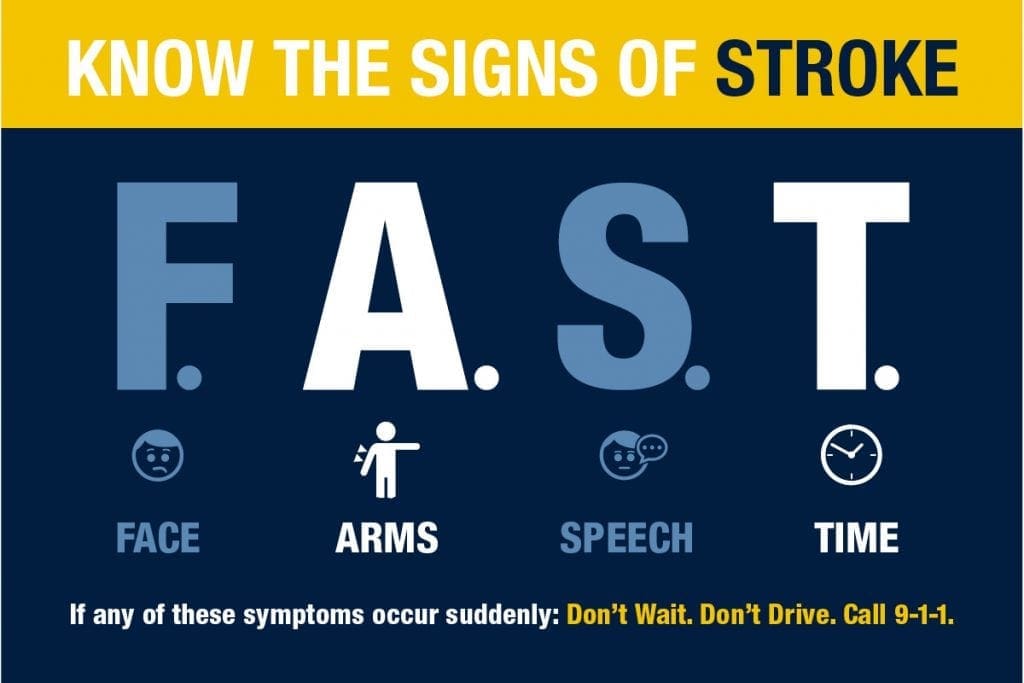
Recognizing an approaching stroke requires awareness of both acute and gradual warning signs. The medical community uses the acronym BE-FAST to help the public identify stroke symptoms quickly. This tool was developed to improve early recognition and emergency response times.
BE-FAST stands for:
- B — Balance — Sudden loss of balance or coordination
- E — Eyes — Sudden vision changes in one or both eyes
- F — Face — Facial drooping or an uneven smile
- A — Arms — Weakness or numbness in one arm
- S — Speech — Slurred, confused, or difficult-to-understand speech
- T — Time — Time to call 911 immediately
Additional warning signs reported in the days leading up to a stroke include sudden, severe headache with no known cause, difficulty swallowing, and brief episodes of unconsciousness. Any single symptom from this list warrants urgent medical attention. Do not wait to see if symptoms resolve on their own.
Research from the National Institute of Neurological Disorders and Stroke confirms that treatment administered within the first hour of symptoms dramatically improves outcomes. This critical window is often called the golden hour. The speed of response is directly linked to the amount of brain tissue that can be saved.
How to Avoid a Stroke
Stroke prevention is largely within your control. The CDC reports that up to 80 percent of strokes are preventable through lifestyle changes and medical management. Small, consistent habits can significantly reduce personal risk.
Key lifestyle strategies for stroke prevention include:
- Control blood pressure — Hypertension is the single largest risk factor; target levels below 120/80 mmHg
- Manage blood sugar — Diabetes doubles stroke risk; regular monitoring and medication compliance are essential
- Maintain a healthy weight — Obesity increases the likelihood of hypertension, diabetes, and high cholesterol
- Quit smoking — Smoking doubles stroke risk by damaging blood vessel walls and promoting clot formation
- Limit alcohol intake — Heavy alcohol use raises blood pressure and increases the risk of atrial fibrillation
- Exercise regularly — At least 150 minutes of moderate aerobic activity per week is recommended by the AHA
- Eat a heart-healthy diet — A diet rich in fruits, vegetables, whole grains, and lean proteins reduces arterial inflammation
- Monitor cholesterol levels — High LDL cholesterol contributes to arterial plaque buildup and blockages
Medications such as antiplatelet agents, statins, and anticoagulants are prescribed for individuals at elevated risk. Regular medical checkups allow your healthcare provider to identify and manage risk factors early. Proactive medical care is one of the most powerful tools available for stroke prevention.
The Importance of Emergency Preparedness
Knowing what to do in the event of a stroke is just as important as prevention. Every minute without treatment results in the loss of approximately 1.9 million brain cells. A fast, coordinated response can mean the difference between full recovery and permanent disability.
Emergency preparedness for stroke begins at home. Everyone in a household should know the signs of stroke and how to call for help. Practicing what to do in an emergency reduces panic and response time during a real event.
Steps to take when a stroke is suspected:
- Call 911 immediately — Do not drive the person to the hospital yourself
- Note the time — Record exactly when symptoms first appeared; this guides treatment decisions
- Keep the person calm — Help them remain still and reassured while waiting for emergency services
- Do not give food or water — Swallowing difficulties are common during a stroke and can cause choking
- Stay on the line — Follow all instructions provided by the emergency dispatcher
Community awareness programs and CPR training courses often include stroke recognition as part of their curriculum. Being trained in basic emergency response prepares you to act quickly and confidently. Organizations such as the American Stroke Association offer free public education resources to help communities build preparedness.
FAQs
Q1: Can stroke warning signs really appear weeks or even a month before a stroke occurs? Yes. Many patients experience early signs such as headaches, unexplained weakness, and speech problems for as long as a month before a stroke. These symptoms may come and go, especially in the case of mini-strokes (TIAs — transient ischemic attacks), which are temporary blockages that resolve on their own but significantly increase the risk of a full-blown stroke.
Q2: What are the most common early warning signs to watch for in the weeks before a stroke? The most common one-month warning signs include unexplained weakness (especially on one side of the body), tingling or numbness that comes and goes, difficulty holding objects, trouble speaking or understanding conversations, slurring words, or speech that sounds noticeably different to others.
Q3: What should I do if I notice these early stroke warning signs in myself or someone else? Stroke is a medical emergency. Note the time when symptoms start and call 911 immediately — do not ignore warning signs, even if they go away on their own.
Conclusion & Call to Action
Recognizing the warning signs that appear weeks before a stroke can be the difference between life and death. Whether it’s unexplained weakness, sudden speech difficulty, or fleeting vision changes, these symptoms are your body’s urgent signal to seek medical attention — don’t wait for them to pass.
Being prepared goes beyond awareness. Knowing how to respond in a cardiac or neurological emergency is a skill that saves lives. CPR Cincinnati, an American Heart Association training site, offers stress-free, hands-on certifications and renewals, including BLS for Healthcare Providers, ACLS, PALS, and CPR & First Aid — all designed to give you the confidence to act when every second counts.
👉 Register today for a CPR Certification class in Cincinnati and be ready to respond in any emergency. 👉 Healthcare professionals — sign up for an ACLS class in Cincinnati to sharpen your advanced cardiac life support skills and stay current with AHA guidelines.
Don’t wait for an emergency to wish you were prepared. Get certified with CPR Cincinnati today.